When it's time for new tires
Knowing when it's time for new tires is critical to safe driving.
We all know tires won't last forever, but there's no set time table for when you need to purchase new tires. Here are some helpful ways to gauge your vehicle's tire wear and potential damage.
Checking for worn tires
We recommend assessing your tires' wear and tear once a month. Here's how:
|
|
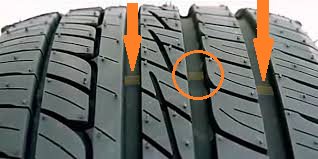
Narrow bands may appear in the grooves across the tire's tread, shown in the picture. When these wear bars are even with the tread depth, only 2/32" of tread remains, replace the tire. If tread is worn below 2/32 of an inch, water can't be channeled away from the tread, which can cause hydroplaning at high speeds and when braking. Snow traction is also greatly reduced. |
|
|
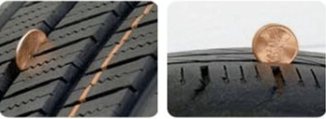
Place a penny in the most shallow tread groove with Lincoln's head pointed down. If you can see the top of his head, the tire should be replaced. |
If you have Tire Damage:
Repairs can be made to damaged tires with the following in mind:
- The tire has not been driven on when flat
- The damage is only in the tread section of your tire
- The puncture is less than 1/4 of an inch
Even if your tire damage meets these guidelines, it's still necessary to have an authorized tire retailer or technician remove the tire from the wheel and inspect the tire from the inside. Internal damage is not visible when the tire is mounted.
To have a tire properly patched is is to have it done from the inside and the puncture hole filled. If someone offers you a plug repair, you should refuse. Plug repairs do not involve taking the tire off the wheel for a proper inspection but instead, a plug is simply inserted into the punctured area. This method is not reliable and can lead to tire failure. Insist on a full inspection and patch and fill repair on the inside of the tire.


